Learned Societies Cultivate Imagination and Solidarity at Final Intention Foundry Incubator
Published: August 24, 2026
Five years after the Intention Foundry began, the program’s final event mirrored the first: imagining a more equitable, sustainable academy, then building relationships that turn those visions into actionable ideas to transform scholarly culture.
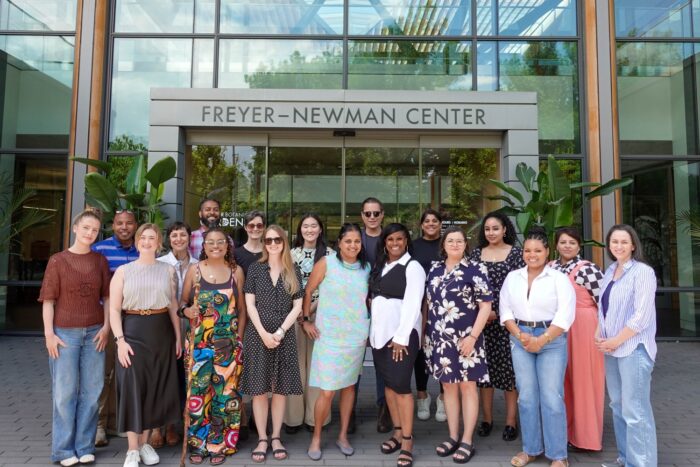
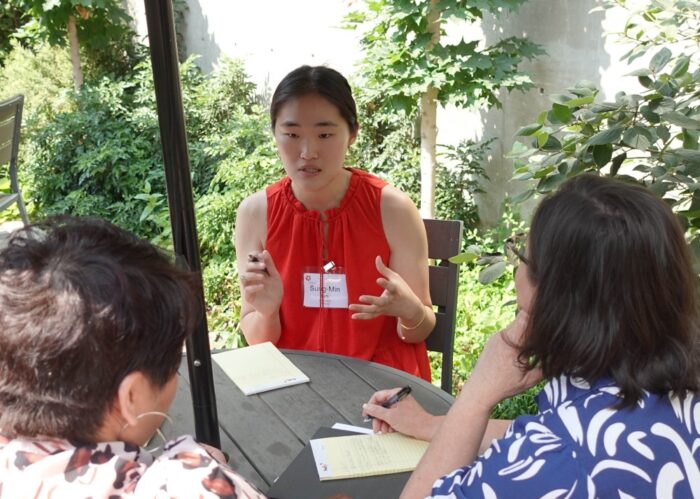
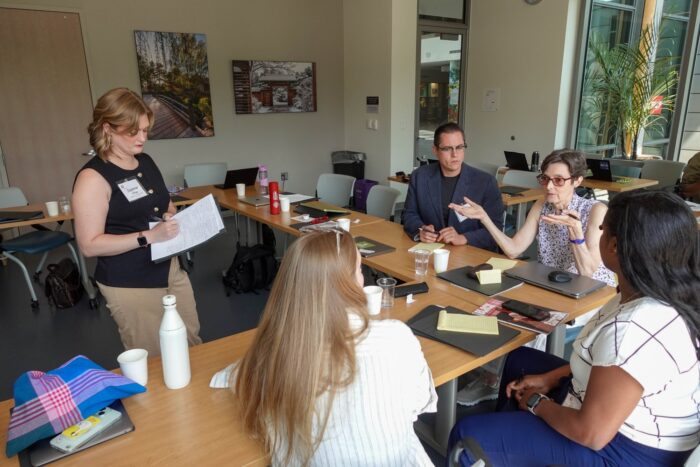
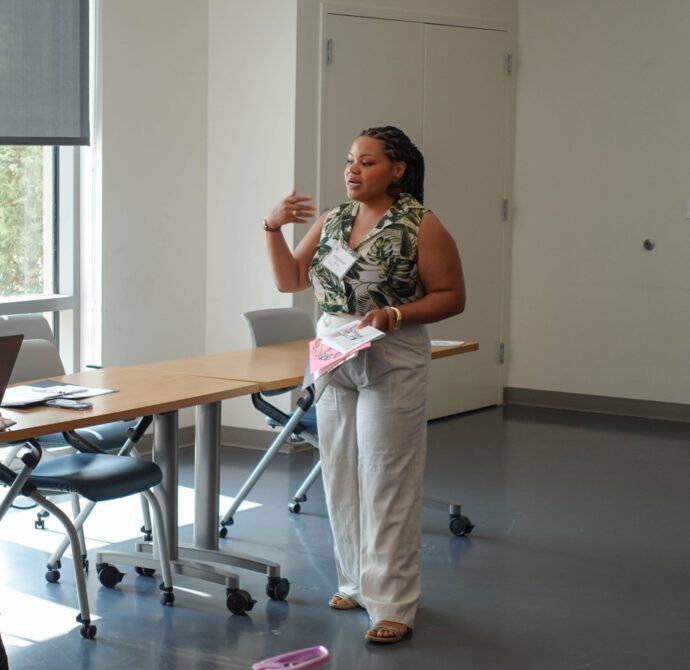
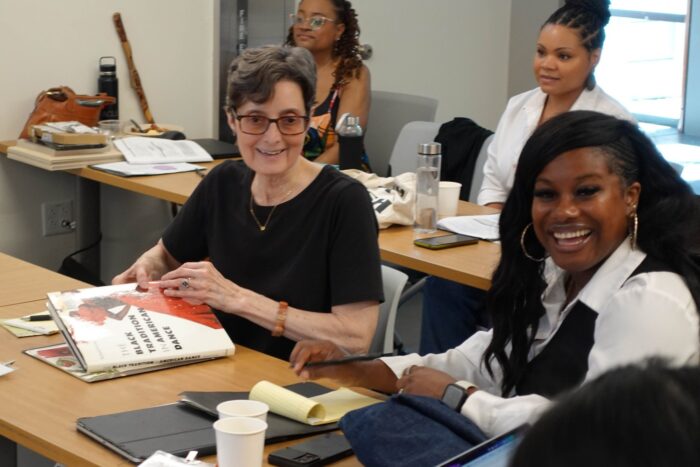
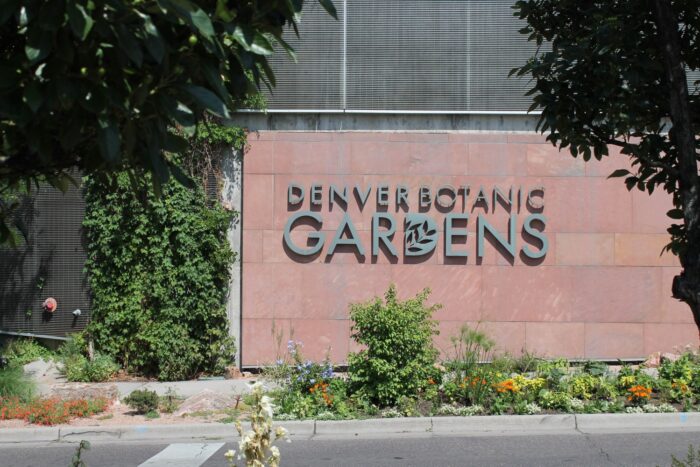
From June 24-26, 2026, the American Council of Learned Societies (ACLS) brought together leaders and members from six learned societies for the final installation of the Intention Foundry (IF) Beyond Precarity: Incubators for Secure Futures series. Held at the Denver Botanic Garden, the final incubator’s theme Cultivating Imagination, Solidarity, and Capacity in Scholarly Culture offered the participating societies—awardees of the final round of Intention Foundry Learned Society Extended Engagement Microgrants—a collaborative and creative space to deepen the impact of their proposed projects.
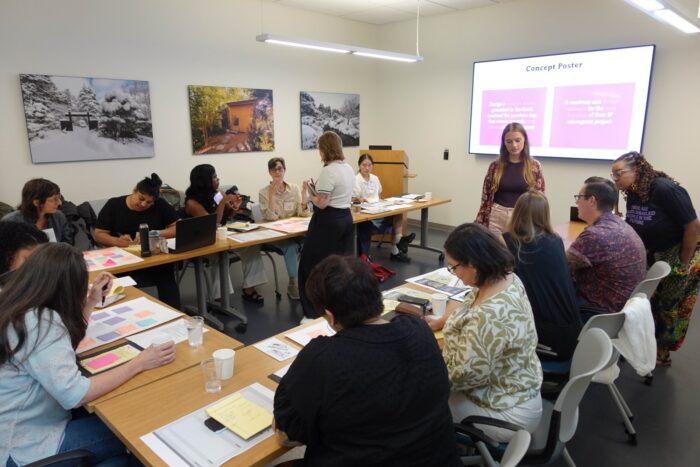
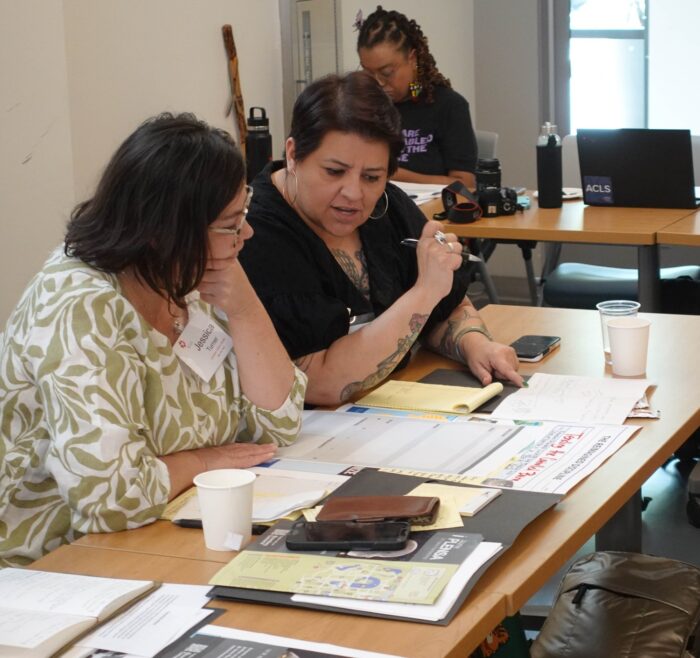
Led by ACLS Intentional Design for an Equitable Academy (IDEA) staff, Senior Program Officer Keyanah Nurse, Program Coordinator Katie Reis, and Project Coordinator Christiana Ares-Christian, the incubator featured design thinking activities that fostered strategic and transformative visioning for each respective societies’ work supporting precarious scholars, as well as concrete tools and methods for actualizing those visions. Local collaborators from BLISS Collaborations and the Denver Project for Humanistic Inquiry joined to offer their strategic expertise around rallying support for new initiatives. The Denver Zine Library also joined, leading a workshop on zinemaking as a novel means of disseminating the incubator’s method for fostering cross-organizational collaboration.
Since 2024, the Intention Foundry Learned Society Extended Engagement Microgrants have awarded $350,000 to support projects with the learned societies that address the social, intellectual, and financial precarity faced by scholars at various stages in their academic careers. Their projects included workshops on academic freedom and censorship, convenings for graduate student members, a virtual exhibit on BIPOC folklorists, paid internships for precarious scholars to engage in society governance, and more.
Participating societies in the incubator were:
African Studies Association
American Folklore Society
Association for Asian American Studies
Dance Studies Association
North American Conference on British Studies
Renaissance Society of America
Supported by the Mellon Foundation, the Intention Foundry began in 2021 as a workshop series for ACLS member societies to develop and pilot solutions to advancing equity, inclusion, wellbeing, and justice in their fields. Since the program’s second phase began in 2024, the incubator series emerged as a response to confronting and transforming the intellectual, social, and financial challenges that scholars face across higher education, and was developed with community input through a Steering Committee.
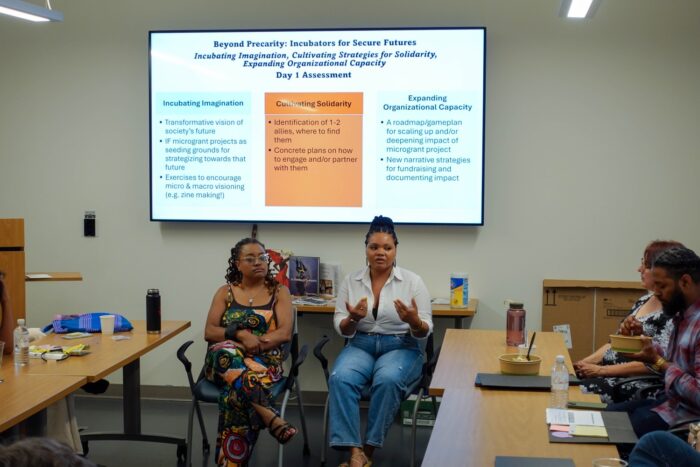
Since its inception, the Intention Foundry has built collaborative visions and concrete interventions to support scholars in positions of precarity. For the program’s final convening, the IF team landed on three important goals: incubating imagination, cultivating strategies for solidarity, and expanding organizational capacity. Each of these goals is critical to the health, vitality, and survival of scholarly fields, and build a more inclusive, equitable academy that benefits everyone.
Keyanah Nurse
ACLS Senior Program Officer for IDEA Programs
Incubating Imagination
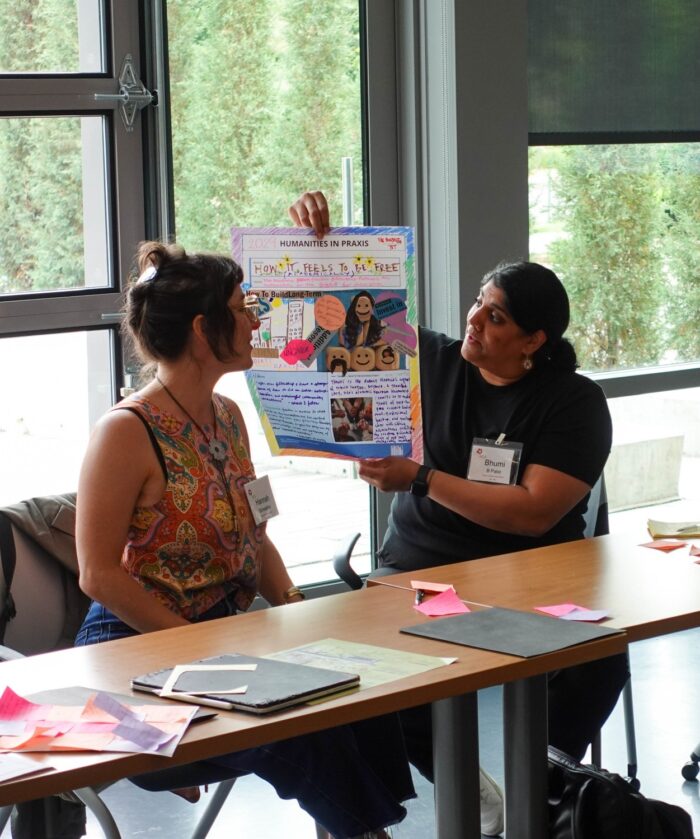
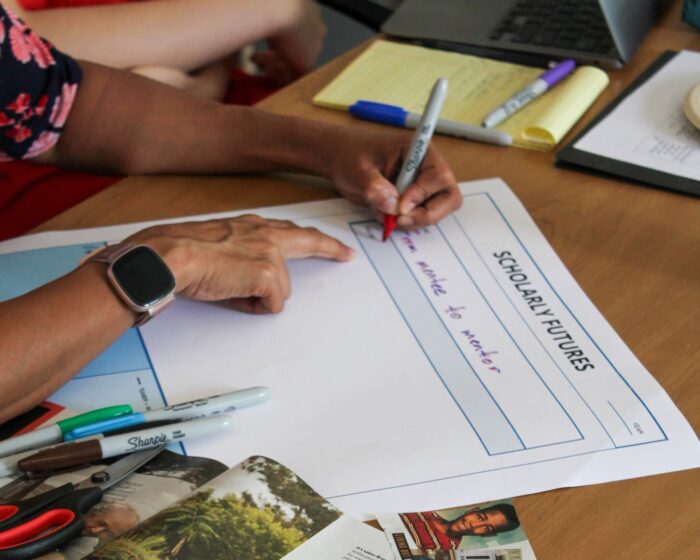
The summer 2026 incubator focused on zine-making as a collaborative method to document the incubator and the larger Intention Foundry program. The zine, which was chosen for its roots as a community-based, subversive medium, will be available later this year.
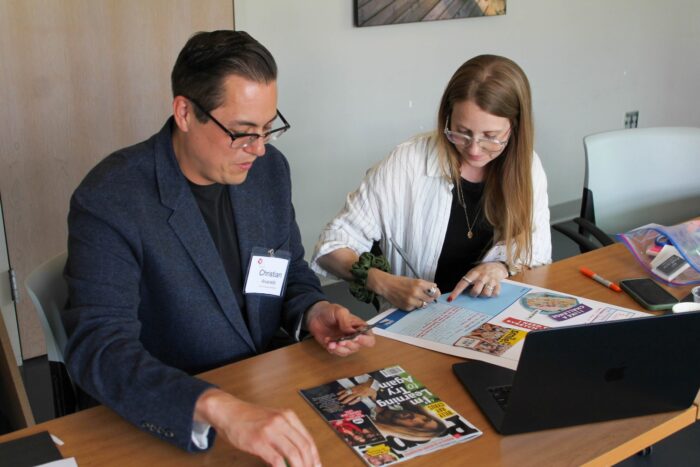
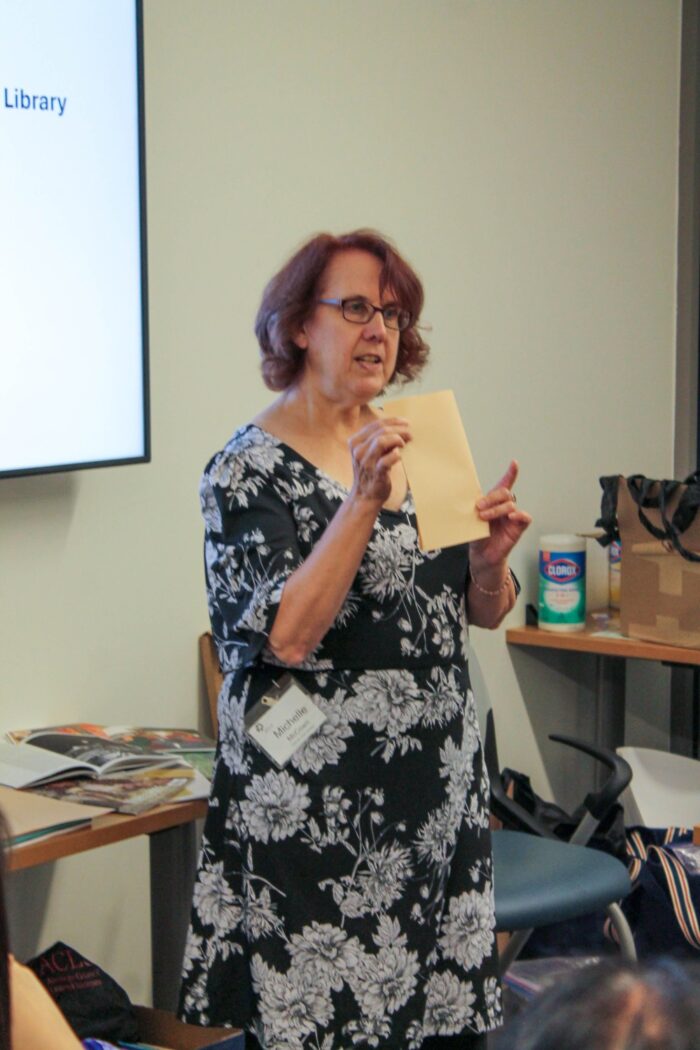
Participants used the format as a working tool, engaging in various exercises that inspired macro visioning for the potential impact of their microgrant projects. For example, they drafted mockups of magazine cover-stories, answering the question: what will this project have done in one year, three years, or five years? Over the following days, the mockups were refined and reworked through feedback and self-reflection, shaping a concrete, future-oriented impact narrative for their projects. Michelle McCown, a volunteer with the Denver Zine Library, joined Friday to share the history of zines and lead a hands-on session. Several participants noted how using creative tools helped them distill down the purpose of their projects and think about them in a new way.
Cultivating Strategies for Solidarity
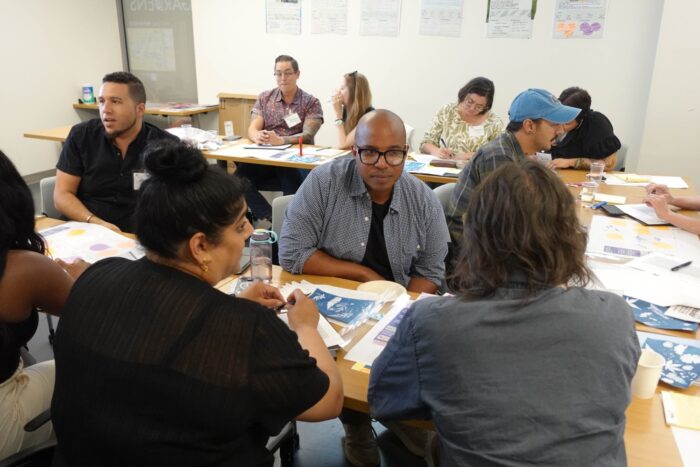
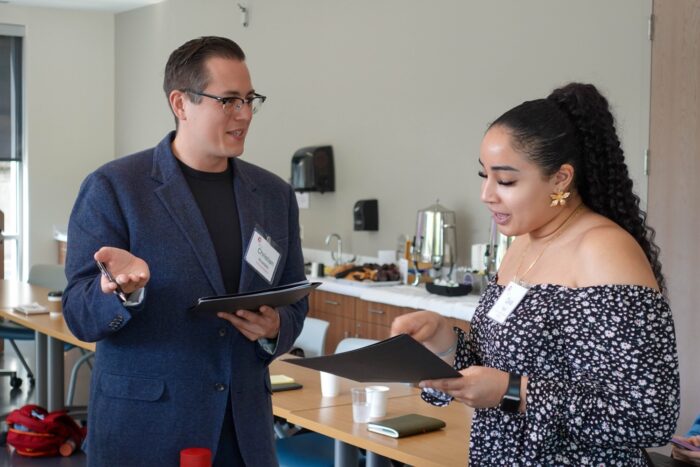
The incubator provided an intentional space for learned societies to identify common themes, goals, and challenges within both their microgrant projects and their societies more broadly. Through exercises such as “Microgrant Bingo” and structured time for group feedback, the participants were able to connect and iterate on their projects. Participants were inspired by each other’s projects, and already began to brainstorm ways they could implement similar initiatives at their organizations in the future.
The experience reinforced the importance of building cross-disciplinary networks, creating collective support systems, and developing creative interventions that address structural challenges rather than treating them as isolated issues within a single field.
Anita Mannur
President of the Association for Asian American Studies
“One of the most valuable aspects of the incubator was recognizing how widely precarity is felt across disciplines, institutions, and professional roles. While the specifics differ, many of the underlying concerns are shared,” said Anita Mannur, Director of the Asia, Pacific and Diaspora Studies and Professor of Critical Race, Gender, and Culture Studies at American University, and President of the Association for Asian American Studies. “The experience reinforced the importance of building cross-disciplinary networks, creating collective support systems, and developing creative interventions that address structural challenges rather than treating them as isolated issues within a single field.”
Creating space for communities to learn from and collaborate with each other is a hallmark of ACLS’ work more broadly. The Conference of Executive Officers connects society leaders directly, and ACLS fellowship and grant programs increasingly build cohorts for this same reason. The Doctoral Futures initiative takes a similar approach, as a collective effort that draws on decades of institution-level work to reimagine humanities graduate programs.
Expanding Organizational Capacity
Throughout the incubator, participants worked through how to pitch their projects to a wider audience, identify funding sources, and plan for sustainability once the ACLS microgrant period ends.
“It was useful to think about our micro-grant project alongside other academic societies who approached the study of the past, present, and future in alternative ways,” said Olivia Wyatt, Teaching and Research Fellow in Black British History at the University of Edinburgh and member of the North American Conference for British Studies. “We were able to envision a wider audience for our project, moving beyond academic historians to consider members of the public as well as other academic fields.”
A session on power mapping helped participants identify allies, collaborators, and likely points of resistance for their projects. The incubator also included a workshop on financial storytelling to give participants a chance to practice responding to skeptics and to compare the funding barriers, and possible solutions, that came up across different projects. The session built on previous work with the Nonprofit Finance Fund to support long-term project sustainability for ACLS Digital Justice Grantees.