PROJECT TIMELINE
Phase 1: Research
Phase 1: Research
Goal: Understand the current state of graduate education, identify areas in need of structural change, and survey the landscape of attempted reforms
Activities:
- Survey existing research on graduate education
- Organize committees and advisory group
- Document successful programs and practices at different institutions
- Conduct focus groups and interviews with students, faculty, and administrators
Phase 2: Recommendations
Phase 2: Recommendations
Goal: Turn research into practical guidance for institutions
Activities:
- Draft recommendations from analyzed data
- Host a convening to share results and refine proposals
- Create toolkit(s) with frameworks and examples
- Develop catalog of approaches that work
- Present preliminary findings to faculty and academic leaders
- Launch resource website
Phase 3: Persuasion
Phase 3: Persuasion
Goal: Build support and secure commitments to implementation
Activities:
- Offer presentations and workshops at national conferences, including disciplinary association meetings
- Engage faculty,administrators, and university leadership to develop institution-specific implementation plans
- Secure commitments for specific reforms from institutions
- Develop a plan for the next phase of doctoral education reform
Project Deliverables
Project Deliverables
- Research landscape analyses
- Resources and toolkits for use by faculty and administrators
- Menu of best practices and models
- Formal commitments from institutional leaders
- Implementation action plans
Phase 1: Research
Goal: Understand the current state of graduate education, identify areas in need of structural change, and survey the landscape of attempted reforms
Activities:
- Survey existing research on graduate education
- Organize committees and advisory group
- Document successful programs and practices at different institutions
- Conduct focus groups and interviews with students, faculty, and administrators
Phase 2: Recommendations
Goal: Turn research into practical guidance for institutions
Activities:
- Draft recommendations from analyzed data
- Host a convening to share results and refine proposals
- Create toolkit(s) with frameworks and examples
- Develop catalog of approaches that work
- Present preliminary findings to faculty and academic leaders
- Launch resource website
Phase 3: Persuasion
Goal: Build support and secure commitments to implementation
Activities:
- Offer presentations and workshops at national conferences, including disciplinary association meetings
- Engage faculty,administrators, and university leadership to develop institution-specific implementation plans
- Secure commitments for specific reforms from institutions
- Develop a plan for the next phase of doctoral education reform
Project Deliverables
- Research landscape analyses
- Resources and toolkits for use by faculty and administrators
- Menu of best practices and models
- Formal commitments from institutional leaders
- Implementation action plans
Doctoral Futures is now on Medium!
Read more Doctoral Futures content on our recently launched Medium site.
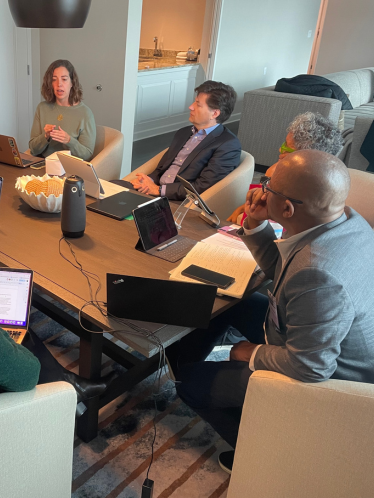
Led by the Society of Biblical Literature, participants will examine recruitment and admissions practices, experiments in revising selection criteria, undergraduate program preparation, and efforts to diversify the applicant pool.

Led by the Modern Language Association, participants will look at advising and mentoring practices, retention strategies (particularly for members of underrepresented groups), curricular innovation, exams, the future of the dissertation.
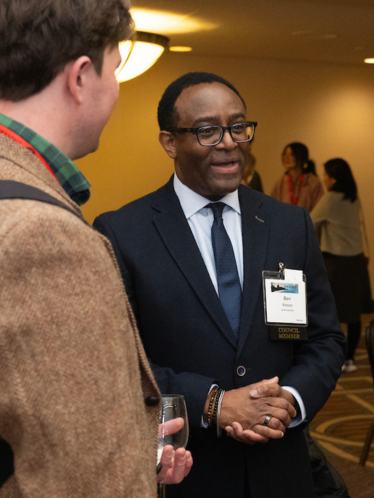
Led by the American Historical Association, participants will consider how we might realign humanities graduate education with the need for advanced educated professionals with humanistic skills and perspectives, inside and outside academia.