

Bibliodiversity in Path to Open
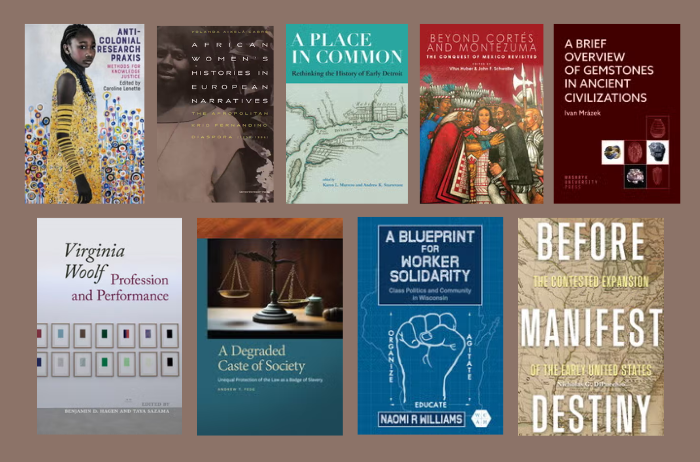
Bibliodiversity. The Path to Open initiative embraces it as one of the program’s core values, but what is it exactly?
As a new model for funding open access books, Path to Open aims to promote bibliodiversity, along with equity, sustainability, and transparency. Here we’ll take a closer look at the concept of bibliodiversity and how the collection is curated to encourage it in the scholarly ecosystem.
Bibliodiversity is a concept likely developed by a collective of Chilean publishers in the late 1990s. According to the International Alliance of Independent Publishers, a bibliodiverse cultural environment will “preserve and strengthen plurality and the diffusion of ideas” through a variety of book formats, content, and publishers. The organization notes that independent publishers “bring a different outlook and voice, as opposed to the more standardised publications offered by major groups.” Recent developments expand the concept to include language diversity, as evidenced by the 2019 Helsinki Initiative on Multilingualism in Scholarly Communication.
In 2022 Charles Watkinson, the director of the University of MIchigan Press and one of the early architects of Path to Open, drew upon these ideas in his inaugural presidential message for the Association of University Presses: “University presses are characterized by their strong regional and disciplinary identities. They manifest exactly the sort of bibliodiversity that parent institutions and other funders need to support and celebrate. I’m particularly excited to advocate for smaller university presses as essential nodes in an infrastructure of support for the humanities and qualitative social sciences.”
Bibliodiversity in Path to Open begins with the university presses whose books comprise the collection. Representing regions around the world—from North America to Europe to Asia—university presses have been the sole contributors of Path to Open books during the initiative’s pilot phase (2023–2026). The pilot provides a vital entry for smaller presses to experiment with open access, ensuring inclusion for their distinctive offerings in the scholarly open access ecosystem alongside larger and commercial scholarly publishers that have their own programs.
Selections of the specific titles for Path to Open also reflect a commitment to bibliodiversity. The editors at JSTOR use a range of criteria when choosing books for the collection. Usage data from more than 148,000 books on JSTOR helps to identify areas of strong and emerging scholarly interest. Creating space for unique and groundbreaking books overlooked by current data trends is also key. The Community Advisory Committee for Path to Open has identified additional criteria that inform decisions for building the collection now, as well as aspirational goals that allow for its continued growth beyond the pilot. They include books:
- for a range of audience types and sizes: some should be specialized monographs for scholars, some should make scholarship accessible to public/student/other audiences
- in a full range of formats including traditional and innovative forms;
- representing many regions (authors from different places, books about different places) and perspectives;
- written in different languages;
- representing a wide variety of approaches to research methods and forms of knowledge;
- from numerous presses, including small presses;
- representing many disciplinary or interdisciplinary fields of study across the humanities.
The 700 titles comprising the Path to Open collection so far are published by 46 university presses and cover 60 subject areas. The selection process for 2026 books is under way, and these additions will increase the total to 1,000 titles. Visit JSTOR’s Path to Open blog to learn more about the individual books in the collection.
Three years after their publication dates, all the books in the collection flip to open access. The first 100 books, with publication dates of 2023, open in January 2026, bringing the rich and diverse offerings of university presses to a wider audience.