Building a Supportive Landscape for Collaborative Research in the Humanities
Published: April 24, 2026
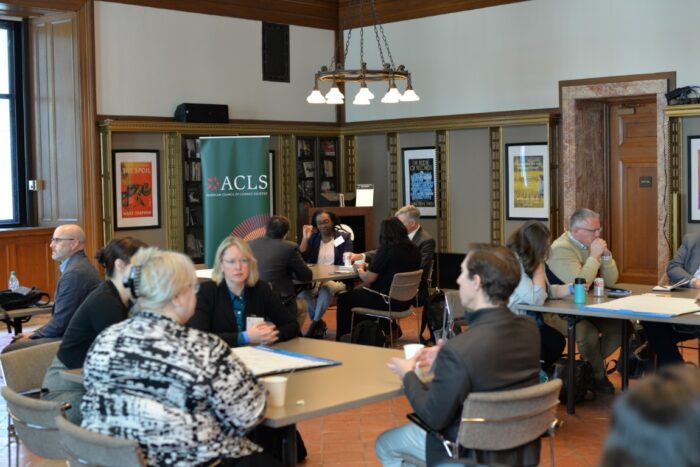
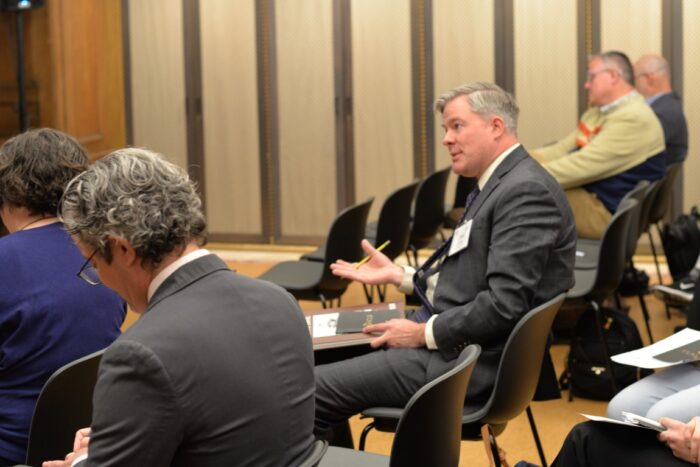
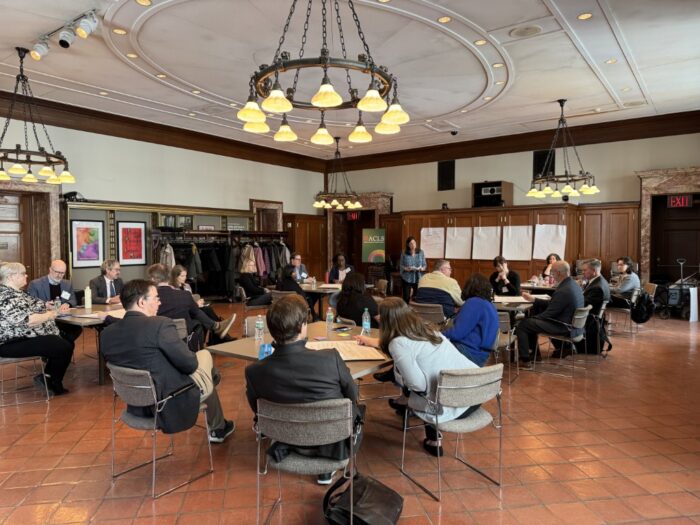
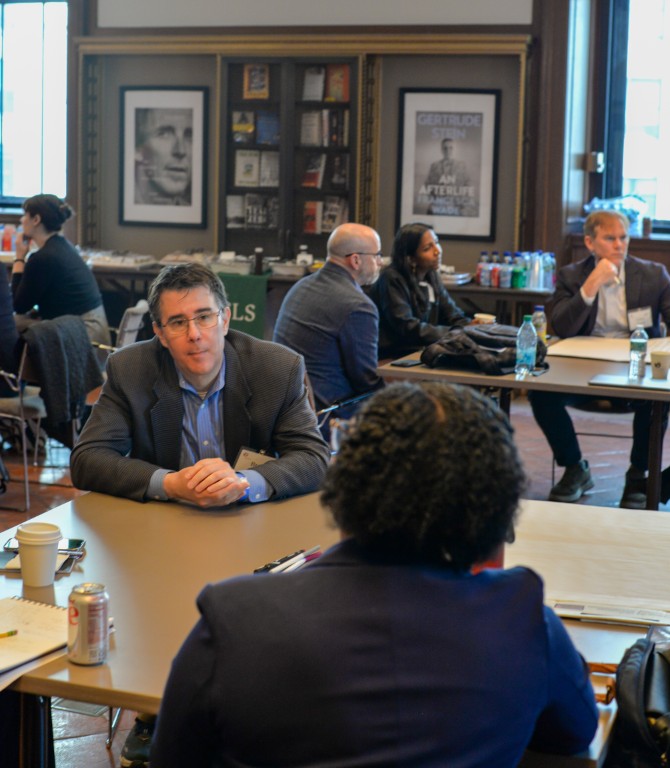
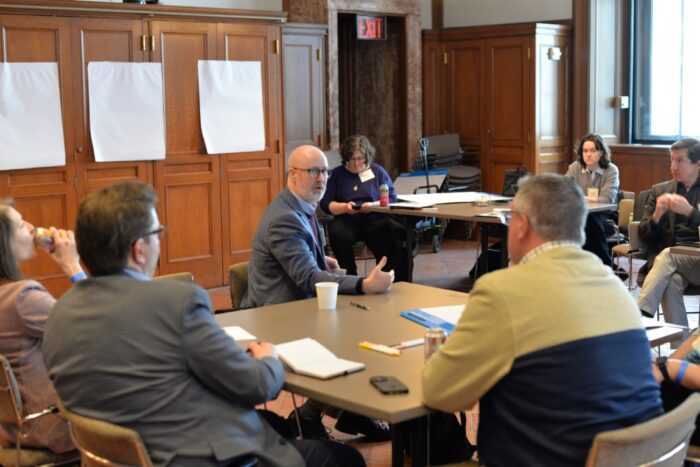
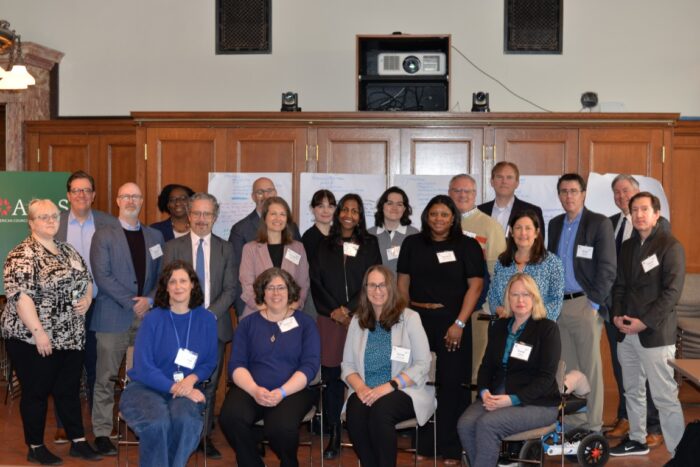
On April 9, 2026, the American Council of Learned Societies (ACLS) and The New York Public Library (NYPL) gathered more than 20 ACLS Collaborative Research Fellows, learned society representatives, funders, university administrators, and NYPL and ACLS staff to discuss collaborative research. The convening aimed to make the case for the value of collaborative research in the humanities and social sciences and identify tangible steps that can be taken to dismantle barriers to doing this work, with the ultimate goal of building a landscape in which collaborative research is appropriately recognized and appreciated.
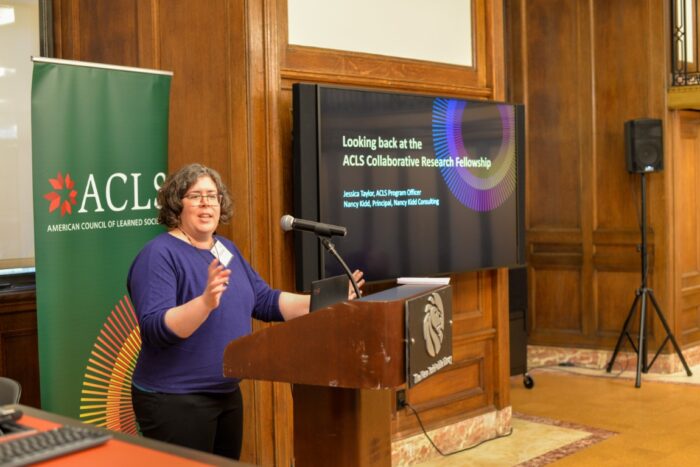
The convening built on earlier efforts to study the impact of the ACLS Collaborative Research Fellowship Program led by Jessica Taylor, ACLS Program Officer in US Programs, and Nancy Kidd, Founder and Principal Consultant of Nancy Kidd Consulting LLC. Supported by the Mellon Foundation, the program included 10 competitions from 2009-2018 that funded small teams of scholars collaborating on a single, substantive project in the humanities and social sciences. Over a decade, the program awarded fellowships to 164 scholars as part of 77 unique projects that resulted in monographs, digital projects, exhibits, and more.
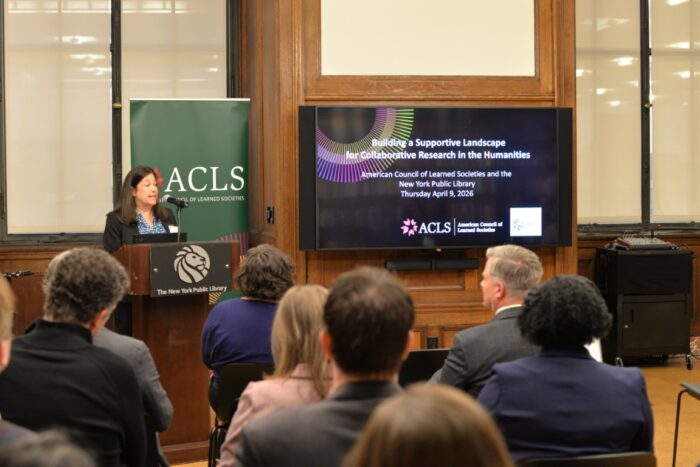
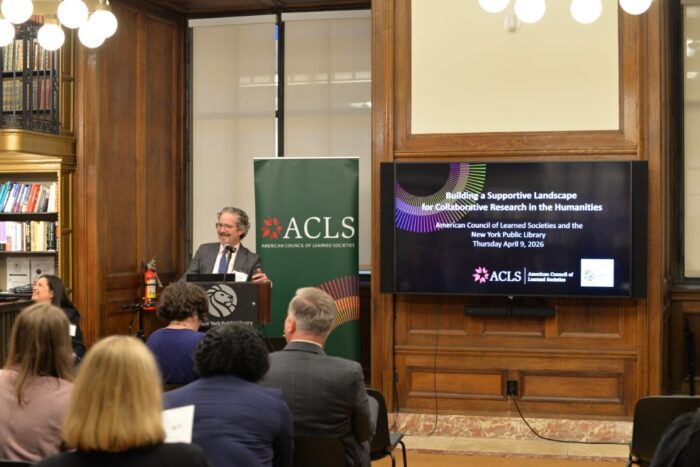
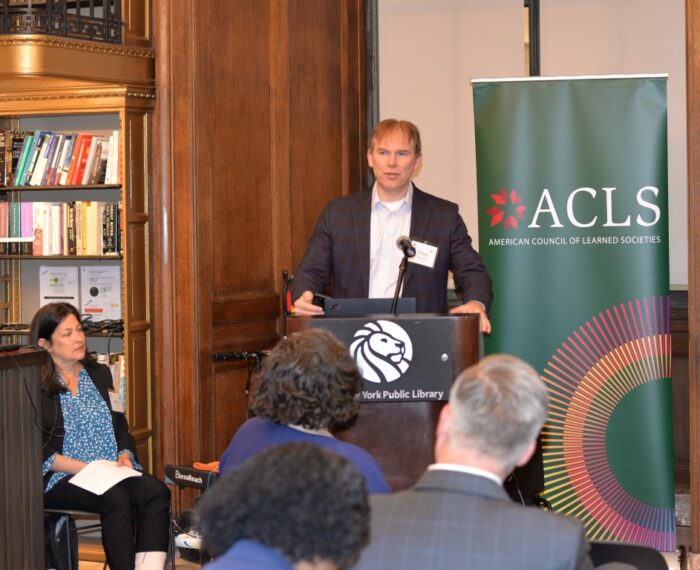
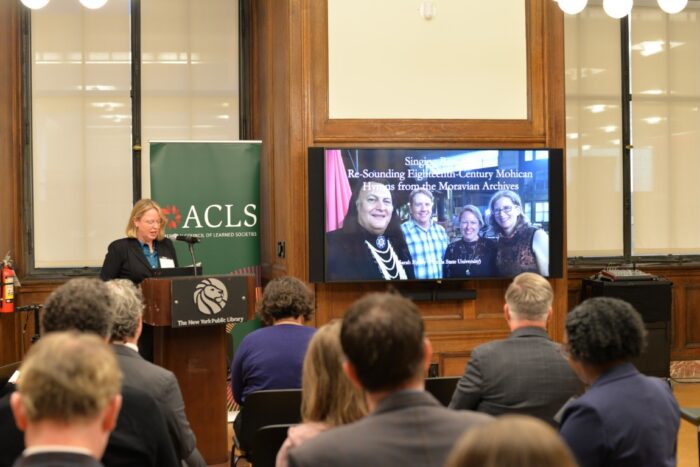
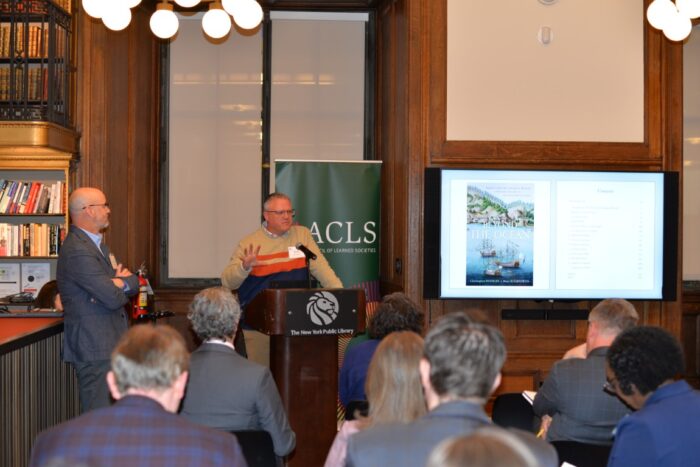
The event began with remarks from Christopher Thornton, ACLS Senior Director of US and International Programs, and Matt Knutzen, Director, Strategic Initiatives and Advancement at the New York Public Library, followed by presentations from past ACLS Collaborative Research Fellows and a NYPL Cullman Center Fellow. Projects included multimodal research on Moravian hymns in early America, including new Mohican language performances and an open access publication, and a book on the French Atlantic that drew from decades of collaborative research in over 100 archives and private collections. Taylor then shared insights from interviews with fellows about their collaborative work and the impact it had on their intellectual and professional trajectories. These illustrative examples made a case for the value of collaborative research in the humanities.
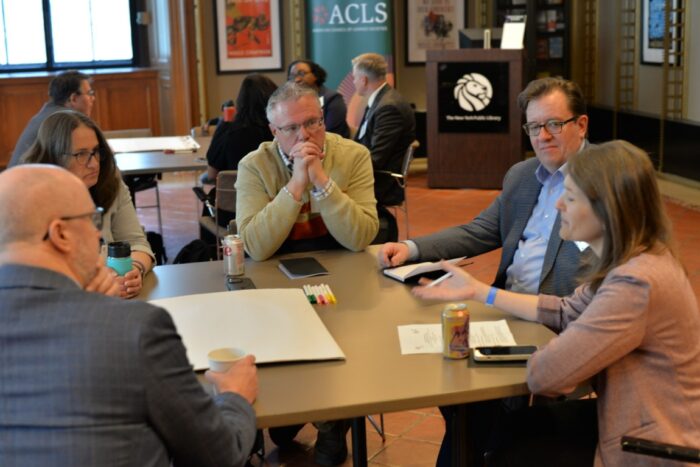
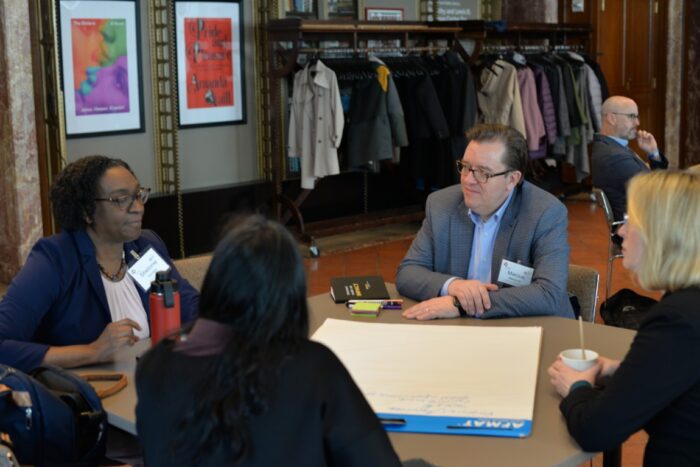
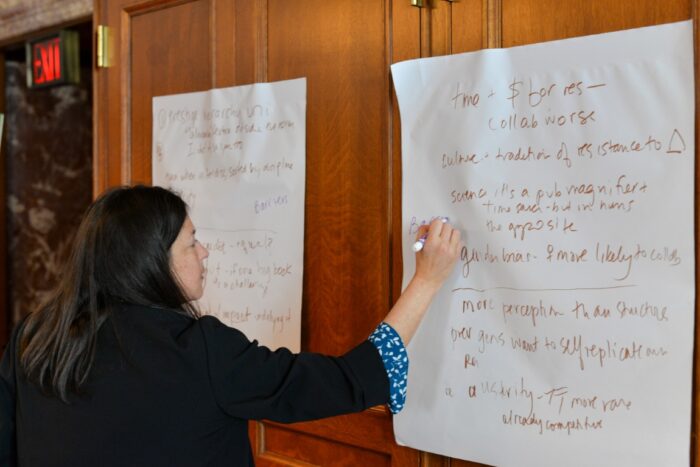
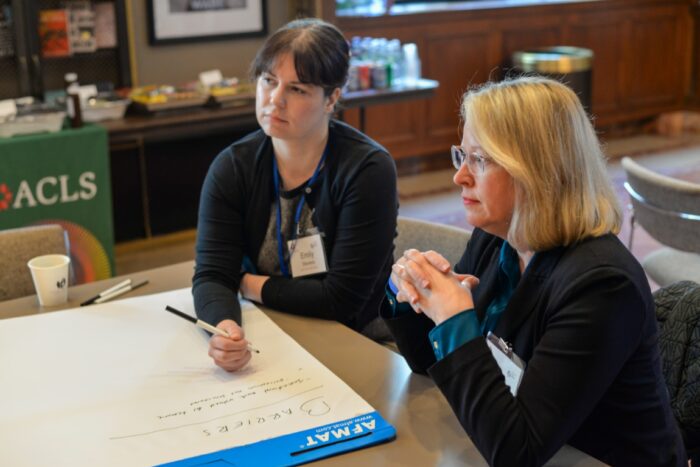
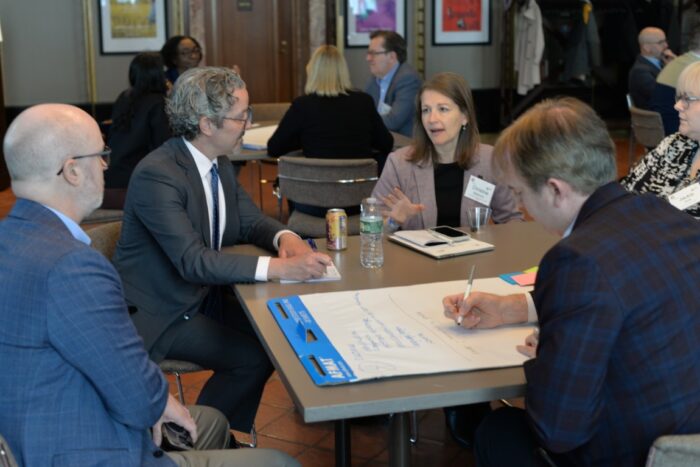
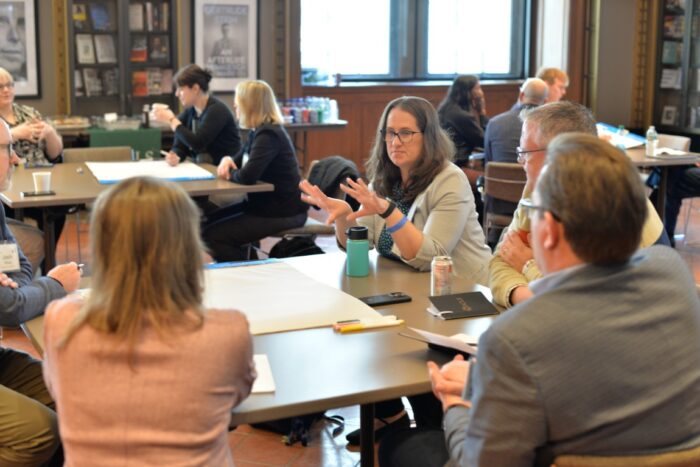
For the remainder of the event, Kidd led small group workshop sessions focused on articulating existing challenges to collaborative research, brainstorming solutions to those challenges, and thinking through how to operationalize those ideas.
Key insights that emerged from the day’s discussions included:
There are great benefits to collaborative research, including the breadth of scope and methods, and an ability for more experimentation and innovation.
Collaborative research requires new skills, such as co-writing and complex project-management, that take time to learn.
Space to develop relationships and ideas is fruitful for the development of successful collaborations. This can be provided by, among others, scholarly societies, libraries, and humanities centers.
Humanities faculty hesitate to engage in collaborative research because it is not valued in promotion and tenure as highly as single authored work and it runs counter to the prevailing culture of individualism.
Participants ended the day by identifying specific, practical steps that can be taken by funders, higher education administrators, researchers, and learned society leaders to build a more supportive landscape for collaborative research in the humanities.
Later this year, ACLS will share a publication on supporting collaborative research in the humanities and social sciences building on the research on the ACLS Collaborative Research Fellowship Program and this convening. Sign up to receive the report once it’s published.
Learn More
Building a Supportive Landscape for Collaborative Research in the Humanities
In 2026, ACLS will share a publication on supporting collaborative research in the humanities and social sciences based on research on the impact of the ACLS Collaborative Research Fellowship Program. Sign up below to receive the report once it’s published.