ACLS Joins 2025 American Academy of Religion and Society for Biblical Literature Annual Meeting
ACLS joined the 2025 American Academy of Religion (AAR) Annual Meeting and Society for Biblical Literature (SBL) Annual Meeting in Boston, MA on November 22-25, 2025, bringing scholars together to discuss and share updates on The Robert H. N. Ho Family Foundation Program in Buddhist Studies, the Publicly Engaged Religion Mapping Project, and the Doctoral Futures initiative.
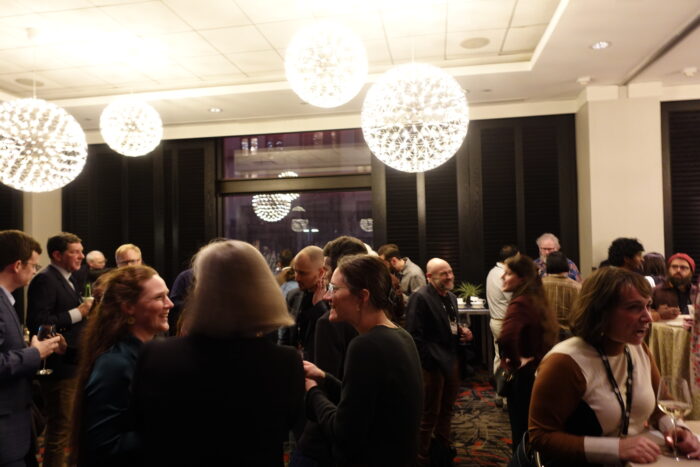
At the meeting, ACLS Buddhist Studies Program Officer Daphne Weber hosted a reception for alumni and partners of The Robert H. N. Ho Family Foundation Program in Buddhist Studies. Attendees were invited to network, share updates on their research, and celebrate the program’s impact on the field of Buddhist Studies since 2014.
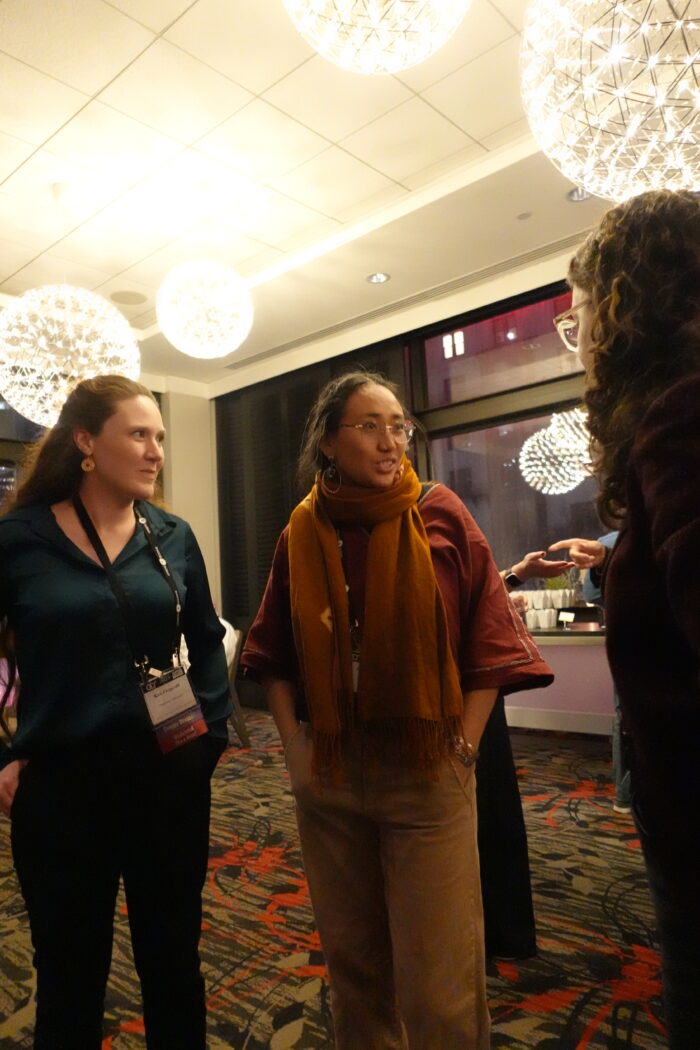
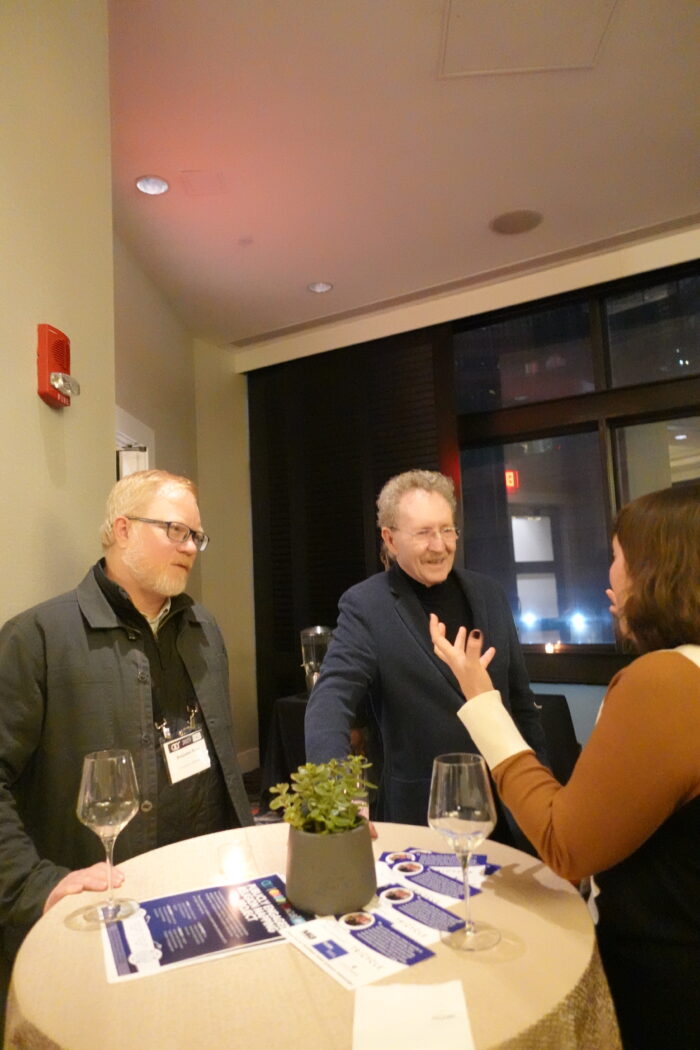

Along with AAR, ACLS co-hosted a networking event and reception for publicly engaged scholars of religion. The Public Scholarship Networking Reception event was designed to support and connect scholars of all career stages, working within and beyond the academy, who are pursuing publicly-engaged and/or community-based research.
The Publicly Engaged Religion Mapping Project invites scholars, practitioners, and community partners to contribute to a collaborative initiative by the American Academy of Religion and ACLS to document public scholarship on religion in North America. Supported by the Henry Luce Foundation, this project gathers projects, case studies, and reflective essays to build a dynamic, searchable database that highlights the scope and impact of public scholarship on religion.
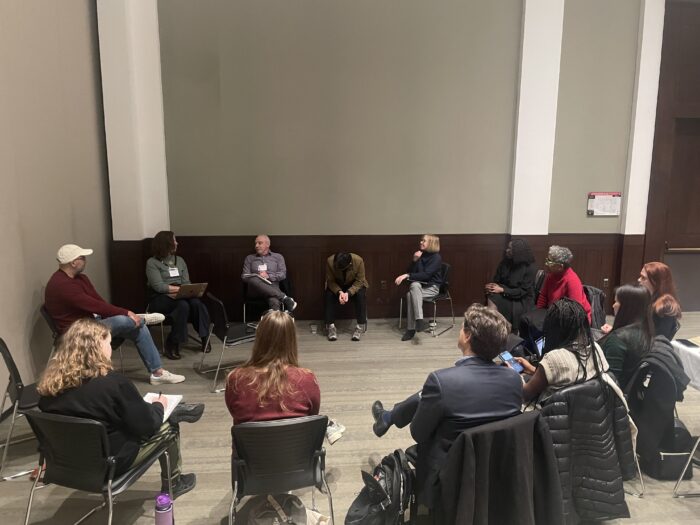
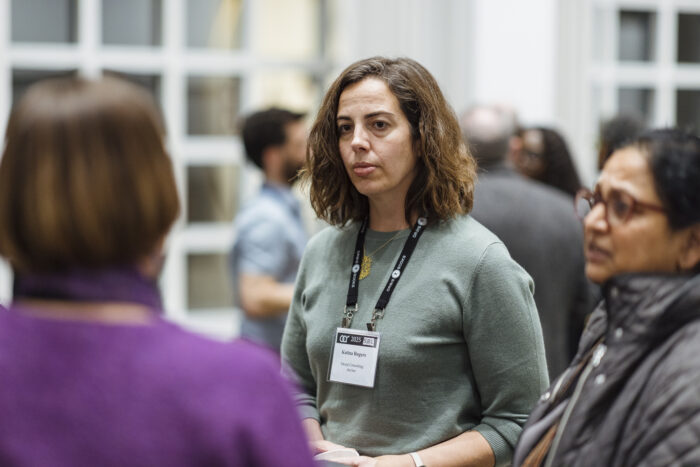
The Society for Biblical Literature, one of three learned societies partnering with ACLS on Doctoral Futures, convened the initiative’s Preparation and Inclusion committee at their meeting. Katina Rogers, Doctoral Futures research consultant, also met with two focus groups of graduate students and directors of graduate studies programs at SBL to continue her research. The Doctoral Futures initiative aims to reimagine humanities PhD programs with new structures, policies, and academic cultures that will better prepare the next generation of knowledge producers.